
15 Chemical Engineering FYP Ideas for Malaysian Students (Process, Environmental & Safety)
15 practical Chemical Engineering FYP ideas covering process optimization, wastewater treatment, and safety systems — built for lab access, not guesswork.
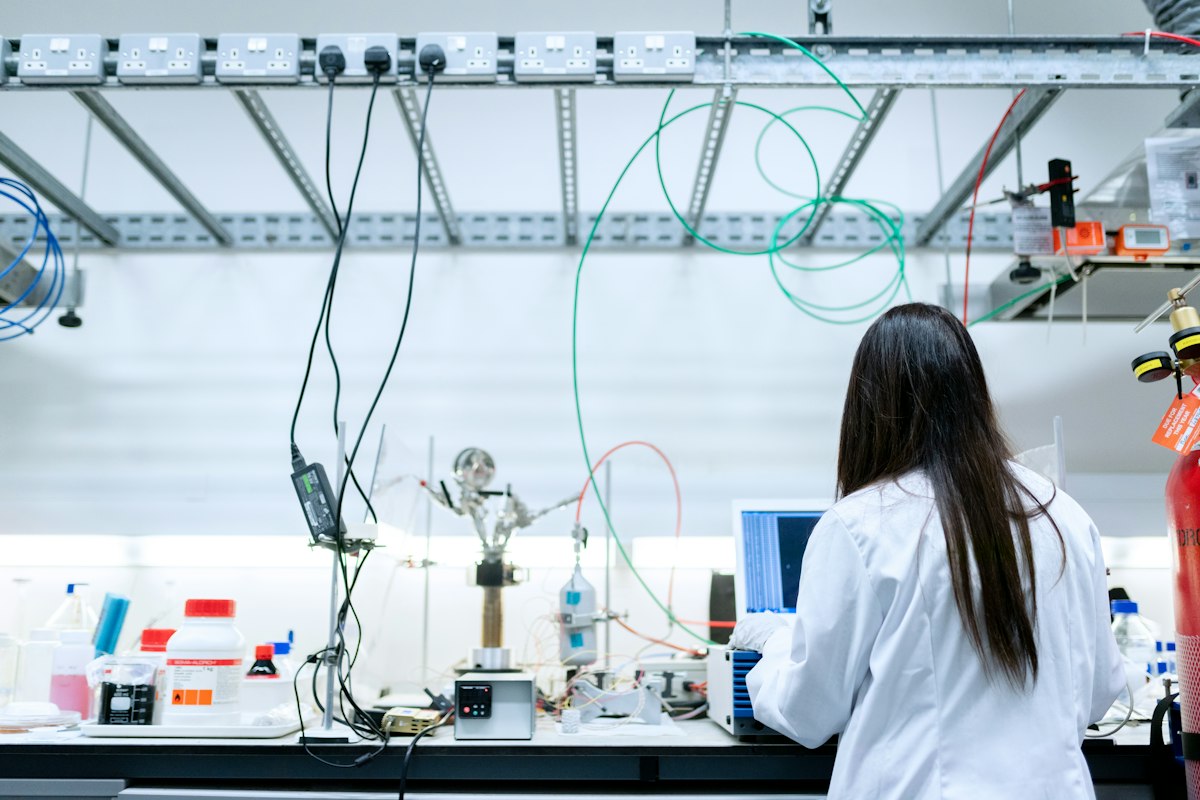
Chemical Engineering students searching for FYP ideas online mostly find either pure process-simulation topics with no physical build, or electronics projects wearing a chemical label. This list sticks to ideas that actually use a Chemical Engineering lab, involve real process or material data, and can be defended with proper unit operations reasoning in front of a panel.
Wastewater & Environmental Treatment
1. Coagulation-Flocculation Optimization for Palm Oil Mill Effluent (POME) — Test different coagulant dosages (e.g. alum or a natural coagulant like Moringa seed extract) on POME samples and measure turbidity/COD reduction, a genuinely Malaysian-relevant water treatment problem given the density of palm oil mills nationwide.
2. Adsorption of Dye from Textile Wastewater Using Activated Carbon from Agricultural Waste — Produce activated carbon from a locally available waste (rice husk, coconut shell) and test its dye-removal capacity against commercial activated carbon as a benchmark.
3. Biogas Production from Food Waste via Anaerobic Digestion — Small-scale anaerobic digester monitoring biogas yield from food waste under different temperature and pH conditions, with methane content as your measured output.
4. Greywater Filtration System Using Multi-Stage Sand and Charcoal Filters — Build and test a low-cost greywater filtration rig, measuring turbidity and basic water quality parameters before/after each filtration stage.
5. Oil-Water Separation Efficiency Using Different Membrane Materials — Compare separation efficiency across a few membrane materials for oily wastewater, relevant to Malaysia's palm oil and petrochemical processing sectors.
Process Optimization & Unit Operations
6. Optimization of Extraction Parameters for Essential Oil from Local Plants — Study how temperature, solvent choice, and extraction time affect essential oil yield from a locally available plant (e.g. citronella, pandan), a well-documented extraction methodology with clear measurable outputs.
7. Heat Exchanger Performance Comparison (Parallel Flow vs Counter Flow) — Build or use a lab-scale heat exchanger rig to compare thermal efficiency between flow configurations, a classic unit operations demonstration with strong theoretical backing.
8. Distillation Column Efficiency Study Using a Binary Mixture — Analyze separation efficiency of a simple binary mixture (such as ethanol-water) at different reflux ratios using lab-scale distillation apparatus.
9. Drying Kinetics of Agricultural Products (Palm Kernel, Rice, or Local Fruit) — Study moisture removal rate under different drying temperatures, producing a drying curve that's genuinely useful data for a results chapter.
10. Biodiesel Production from Waste Cooking Oil (Transesterification) — Convert waste cooking oil into biodiesel and test fuel properties (viscosity, density) against biodiesel standards, a topic with strong sustainability framing and real Malaysian relevance given widespread waste oil collection programs.
Process Safety & Instrumentation
11. HAZOP Study of a Simplified Process Unit — A desktop-based Hazard and Operability study on a simplified process flow diagram (e.g. a small storage tank system), demonstrating process safety analysis skills without requiring physical lab work — a strong option if lab access is limited.
12. PID-Controlled Temperature System for a Batch Reactor Simulation — Apply PID control to maintain a target temperature in a small heated water bath simulating a batch reactor, comparing control performance against simple on/off switching.
13. Corrosion Rate Study of Common Pipeline Materials Under Different pH Conditions — Expose material coupons (mild steel, stainless steel) to solutions at varying pH and measure corrosion rate over time — relevant to piping integrity in process plants.
Software & Simulation-Based
14. Process Simulation and Economic Analysis of a Small-Scale Biodiesel Plant — Use process simulation software (such as Aspen HYSYS, if your university provides a license) to model a simplified biodiesel production process and estimate capital/operating costs.
15. Mass and Energy Balance Model for a Simplified Palm Oil Refining Process — Build a spreadsheet or simulation-based mass/energy balance model for one refining stage, validated against literature data where lab access isn't available.
Choosing the Right One for Your Lab Access
If your university's Chemical Engineering lab has limited equipment time, favor the software/simulation ideas (14, 15) or the desktop HAZOP study (11) — these need less bench time but still require solid technical depth to execute well. If you do have consistent lab access, the wastewater and extraction-based ideas (1–6, 9) tend to produce the clearest results chapters, since you're comparing measurable outputs across controlled conditions. Our guide on choosing the right FYP topic covers this trade-off in more depth if you're still deciding.
Looking for more inspiration? Browse 500+ FYP project titles by category and get a free quote.