
RFID Attendance System with ESP32 and Google Sheets FYP
A clean FYP approach for RFID attendance logging using ESP32, MFRC522 and a cloud sheet or database.
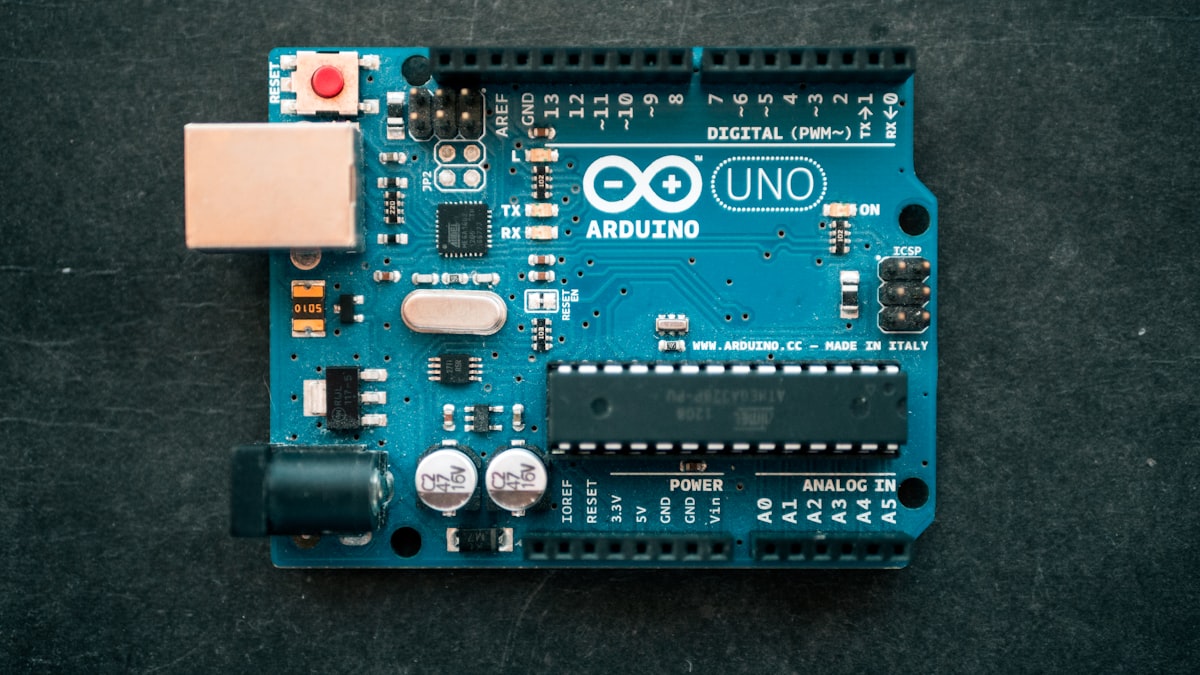
A clean FYP approach for RFID attendance logging using ESP32, MFRC522 and a cloud sheet or database.
Quick Summary
This guide focuses on RFID attendance with ESP32. The goal is to help students choose a clear scope, build a working prototype and explain the result confidently during proposal, demo or viva.
The expected outcome is student or staff attendance records with card ID, name, time and status. This is a realistic student-project target because it can be demonstrated, measured and documented without pretending the prototype is an industrial product.
Recommended Scope
Start with one clear problem, one main input and one useful output. A strong FYP is not the project with the most modules. It is the project where every module has a reason.
Recommended build flow:
- Define the user problem in one paragraph.
- Draw the input, controller, cloud or database, and output flow.
- Test the sensor or software module alone first.
- Add the dashboard, alert or report only after the core function works.
- Keep a test table for normal, error and recovery cases.
Components and Tools
- ESP32
- MFRC522 RFID reader
- RFID cards
- Google Apps Script or Firebase
- attendance dashboard
These items are common in student projects, but the exact choice should follow the final title, budget and demo environment.
Important Accuracy Note
RFID proves card presence, not the real identity of the person holding the card.
This note matters because panel members often ask about limitations. A mature answer is better than a marketing answer. Say what the system can do, what it cannot do and how you tested it.
Testing Plan
test duplicate scans, invalid cards, WiFi failure, repeated tapping and time format consistency.
Also prepare screenshots, serial monitor logs, database records or dashboard images. These become evidence for Chapter 4 and help you answer viva questions without guessing.
Common Mistakes
- Choosing a title before checking component availability.
- Connecting everything at once before testing each module.
- Ignoring power supply, wiring and environmental limits.
- Making claims that are not supported by test results.
- Preparing a demo but not preparing error-case explanation.
Final Advice
Use this topic as a focused project, not just a nice title. The strongest version has a clear problem statement, a small but reliable prototype, and honest testing results.
For more title ideas, browse the Rectronx Project Catalog.
If the project uses ESP32, check the ESP32 Pinout Tool before wiring.
For related modules, use the Component Database.
To discuss scope, parts and timeline, contact Rectronx.