
Home Automation as an FYP: Why It Works and How to Do It Right
Home automation is one of the most popular FYP topics in Malaysia. Here's what components you need, how to design a solid system, and what separates a good project from a mediocre one.
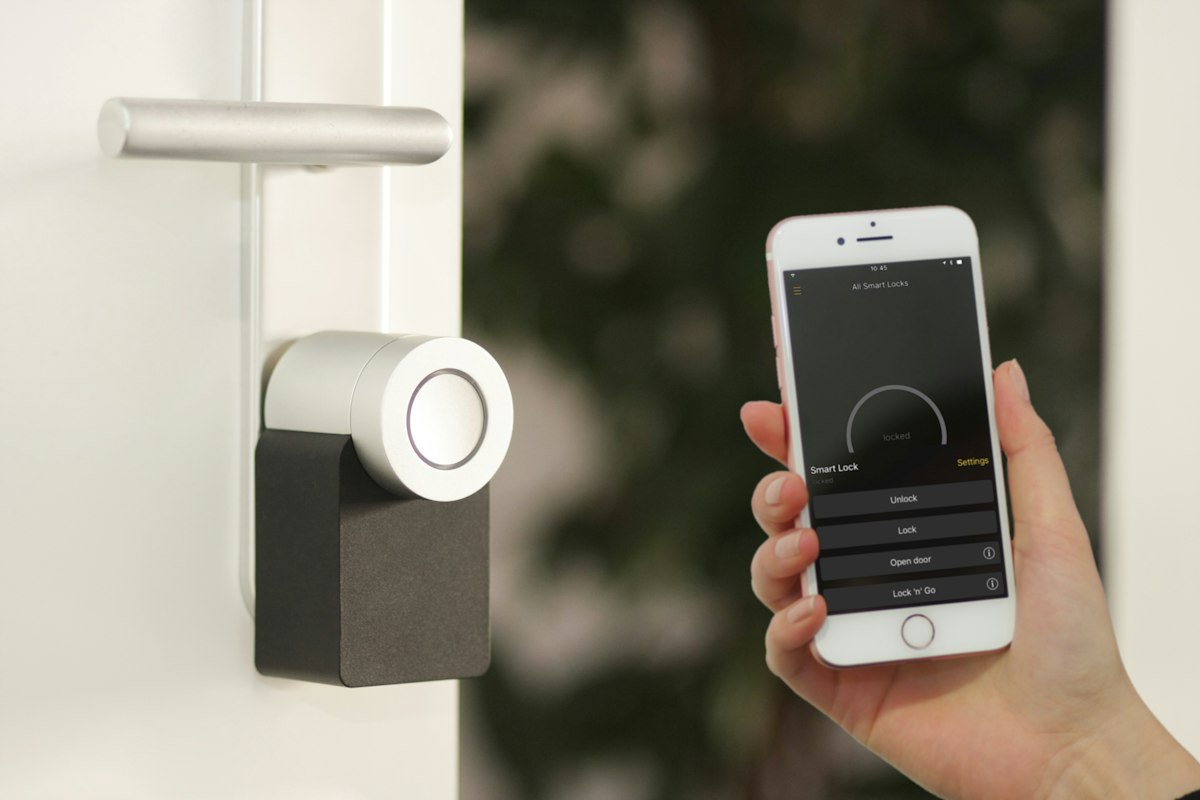
Home automation appears in the FYP list almost every semester. Some supervisors roll their eyes at it because they've seen too many weak versions. But a well-executed home automation project is actually a strong FYP — it covers hardware interfacing, wireless communication, real-time control, and a user interface all in one system.
The difference between a mediocre home automation FYP and a good one comes down to depth and design decisions. Let's talk about how to build one that earns respect.
Why Home Automation Is a Solid FYP Topic
From a technical standpoint, home automation hits multiple assessment criteria:
- Hardware: microcontrollers, relays, sensors, actuators
- Networking: Wi-Fi, MQTT, or HTTP for device communication
- Software: mobile app, web dashboard, or voice control
- Integration: everything working together as a system
- Real-world relevance: something your examiner can actually understand and relate to
It's also a topic with genuine scope control. You can build a basic 2-device system or a sophisticated multi-room setup with automation rules. The scope is yours to define — just make sure you define it clearly in Chapter 1.
Core Components for a Home Automation FYP
Main controller:
ESP32 is the go-to choice here. It has built-in Wi-Fi and Bluetooth, runs on 3.3V (with 5V tolerant pins), is cheap (under RM 25 for a development board), and has excellent community support. The ESP32's dual-core processor also lets you handle communication and control logic without blocking each other.
Relay modules:
To control actual mains-voltage appliances (fans, lights, air conditioners), you need relay modules. A 4-channel 5V relay module works well with ESP32. Important: Use optocoupler-isolated relays to protect your ESP32 from voltage spikes. This is also worth mentioning in your report — it shows you understand electrical safety.
Sensors (choose what fits your scope):
- DHT22 — temperature and humidity (more accurate than DHT11)
- PIR sensor — motion detection for automated lighting
- LDR (light dependent resistor) — ambient light sensing for smart curtains or auto-lighting
- Door/window reed switches — security alerts
- Current sensor (ACS712) — if you want energy monitoring (this is an excellent differentiator)
Communication protocol:
MQTT (Message Queuing Telemetry Transport) is the industry standard for IoT home automation. Run a local MQTT broker using Mosquitto on a Raspberry Pi or laptop. Each ESP32 subscribes and publishes to topics like home/livingroom/light/set and home/livingroom/light/status.
Alternatively, use HTTP REST calls if MQTT feels too complex — but MQTT is worth learning. It looks much better in your technical report and shows you used a protocol designed for IoT, not just a workaround.
System Architecture
A well-designed home automation FYP typically has three layers:
1. Device layer — ESP32 nodes connected to relays and sensors. Each node handles one room or one function. They communicate over Wi-Fi using MQTT.
2. Broker/middleware layer — Mosquitto MQTT broker running on a Raspberry Pi or local server. This is the communication backbone.
3. Application layer — Dashboard or mobile app where the user sees device status and sends commands.
Draw this architecture as a block diagram in your report. It immediately shows the examiner that you thought about the system as a whole, not just individual components.
What Makes a Good vs. Mediocre Home Automation FYP
Mediocre project:
- Controls one or two lights via a basic web button
- No sensor feedback — just on/off switching
- No history or logging
- No security on the web interface
- Report says "home automation is useful" with no specific problem statement
Good project:
- Controls at least 4 devices across multiple categories (lighting, fan, security)
- Sensor-based automation rules (e.g., "turn on fan when temperature exceeds 30°C")
- Logs all events with timestamps to a database
- User authentication on the dashboard
- Energy consumption monitoring as an added feature
- Clear problem statement: "Malaysian households waste 23% of electricity on standby appliances — this system provides real-time monitoring and remote control to reduce idle consumption"
The energy monitoring angle is particularly strong. Add a current sensor (ACS712) to one circuit, calculate power consumption over time, and display a monthly estimate. This gives your project a measurable impact beyond just convenience.
Automation Rules — The Feature That Elevates Your Project
Most students build a remote control system and call it home automation. True automation means the system makes decisions on its own.
Implement at least two automation rules:
- Schedule-based: "Turn off all lights at 11 PM"
- Condition-based: "Turn on porch light when PIR detects motion AND ambient light is below 50 lux"
- Threshold-based: "Send Telegram alert when temperature exceeds 35°C"
These rules can be stored in a database and edited from the dashboard. This turns your project from a remote control into an actual smart system — a meaningful distinction that your examiner will appreciate.
Mobile App vs. Web Dashboard
Students often ask whether they need a mobile app. The honest answer: a well-built web dashboard is sufficient and easier to demonstrate. Use a responsive Bootstrap template so it looks decent on a phone browser.
If you want to build a proper mobile app, use MIT App Inventor or Flutter. Flutter is impressive if you can manage it, but don't let the mobile app development consume your entire project timeline. The hardware and backend logic matter more for an engineering FYP.
Safety and Ethics Section
Include a short section in your report on electrical safety. You're working with mains voltage via relays — acknowledge this. Mention:
- Optocoupler isolation between ESP32 and relay module
- Physical enclosure to prevent accidental contact with high-voltage terminals
- Testing done with low-voltage dummy load before connecting to mains
Some examiners specifically ask about this. Being prepared shows maturity as an engineer.
Scope Recommendations
For a single-student FYP over one semester:
- 4–6 controllable devices (lights, fan, socket)
- At least 2 sensor types
- 1 automation rule
- Web dashboard with login
- MQTT-based communication
- Event logging
That's achievable in one semester without cutting corners on documentation. More is better only if you can actually finish it and document it properly.
Home automation done right is not a lazy FYP topic — it's a full-stack embedded systems project. Build it with depth, document your design decisions, and show real results. That's what separates a First Class submission from an average one.
Reach out to Rectronx if you need help sourcing components in Penang or getting your ESP32-MQTT stack set up. We stock all the common home automation components and can advise on the best configuration for your specific scope.
Looking for more inspiration? Browse 500+ FYP project titles by category and get a free quote.